An escape game is a puzzle game about getting out. You are placed in a closed space — a locked room, an abandoned building, a sealed vault — and the way out is hidden behind a chain of puzzles: find the key, decode the note, open the box that holds the crowbar that lifts the floorboard. The name covers two related things, a physical attraction played in real rooms with your friends, and the browser genre that came first and that you can play here. This guide explains both, how an online escape game actually plays, and what separates a fair one from a frustrating one.
The Short Answer
In any escape game the goal is the same: work out how the space works, and use what it hides to open the way out. There is rarely an opponent and almost never a reflex test. Progress comes from noticing things — an object out of place, a number scratched into a wall, a drawer that opens now that you hold the handle — and from connecting what you noticed. An escape game is solved in your head; the clicking merely carries out the plan.
Where Escape Games Come From
The genre started on screens, not in real rooms. In the early 2000s, browser “escape the room” games established the formula: a single locked room in first person, a cursor, and a way out buried under layered puzzles. The real-world attraction followed: the earliest well-documented live escape game is generally identified as SCRAP’s Real Escape Game, created by Takao Kato and staged in Kyoto in 2007 — by his own account inspired by watching a friend play exactly those browser games. Through the 2010s the live format spread worldwide, and today the two branches feed each other: physical rooms borrow puzzle chains from the games, and the games borrow the ticking clock and the team spirit of the rooms.
Escape Rooms vs Online Escape Games
A physical escape room is a booked, social event: a team of two to six people, a themed room, typically an hour on the clock, and a game master watching from outside who can nudge you with hints. The online form strips the logistics and keeps the thinking. You play alone or with someone at your shoulder, there is usually no timer unless the game adds one, and no one is waiting for the room after you — you can stare at a cipher for twenty minutes without guilt. The browser version is also free to abandon and return to, which changes how bold you can be with hard puzzles.
How an Online Escape Game Plays
Nearly every title in the genre runs on the same loop:
- Explore the scene. Pan around the room or move between its views, and click anything that looks deliberate: drawers, paintings, vents, rugs.
- Collect what comes loose. Found objects go into an inventory strip — keys, tools, batteries, scraps of paper with half a code on them.
- Read everything. Numbers, symbols and colours are rarely decoration; a poster with four coloured shapes usually matches a lock with four coloured dials.
- Combine and apply. Use inventory items on the scene or on each other — the screwdriver opens the panel, the panel hides the fuse, the fuse powers the door.
- Work the chain to the exit. The final lock nearly always needs several solved threads at once, which is why a stuck player should ask: what have I found that I have not used yet?
If you have played our hidden object games, the searching half of that skill carries straight over; an escape game simply adds locks between the finds.
What Makes a Good Escape Game
The genre’s quality test is fairness. A good escape game plants every answer inside the game itself, keeps its logic consistent, and makes each solved puzzle open something you can see. The common flaws are the opposite: a pixel-sized hotspot no honest player would find, a code with no clue behind it, or a chain that only makes sense after you have brute-forced it. Hints are a legitimate part of the design — a fair game would rather nudge you than lose you. When a puzzle resists, the productive move is to re-read what you have already found rather than to click harder.
Where to Try One
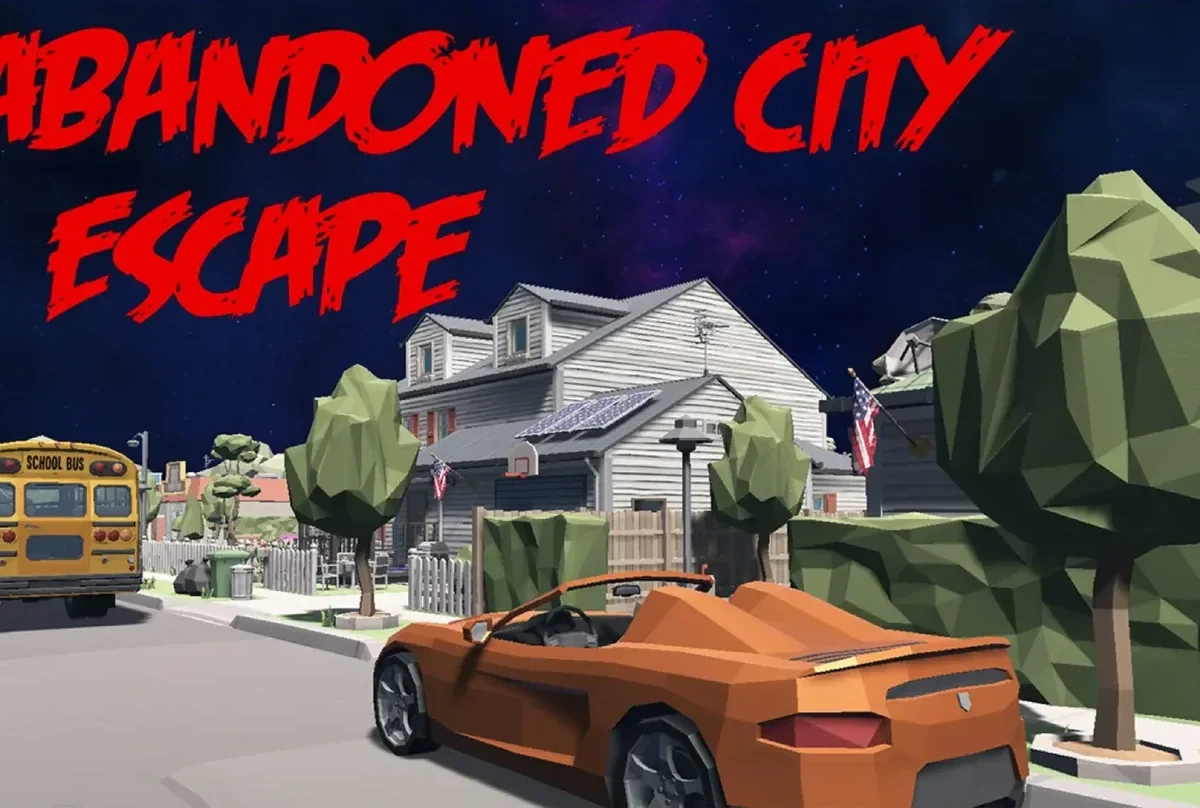
The escape room collection here plays free in the browser. Abandoned City Escape is a classic exploration chain, 100 Doors Escape Room serves its puzzles one door at a time, and Ghost Escape 3D adds a haunted-house mood to the formula. A hand-picked shortlist with notes lives in our best escape room games round-up.
Frequently Asked Questions
What is the goal of an escape game?
To get out of a closed space by solving the puzzles that stand between you and the exit — finding objects, decoding clues and opening locks in a chain that ends at the door.
How long does an escape game take?
Physical escape rooms are usually booked in one-hour slots. Online escape games have no fixed length: a short room can fall in ten minutes, a layered one can absorb an evening, and the browser lets you leave and come back.
Are escape games scary?
Only when they choose to be. The mechanic itself is calm, methodical puzzle-solving; themes range from sunny cottages to horror. A spooky setting in a browser escape game means atmosphere, not jump-scare reflex tests.
Can I play escape games free online?
Yes. Browser escape games, including every title in the collection here, run free without a download — the form the genre started in, decades before the physical rooms.